Overview of the Mount Everest Base Camp Trek
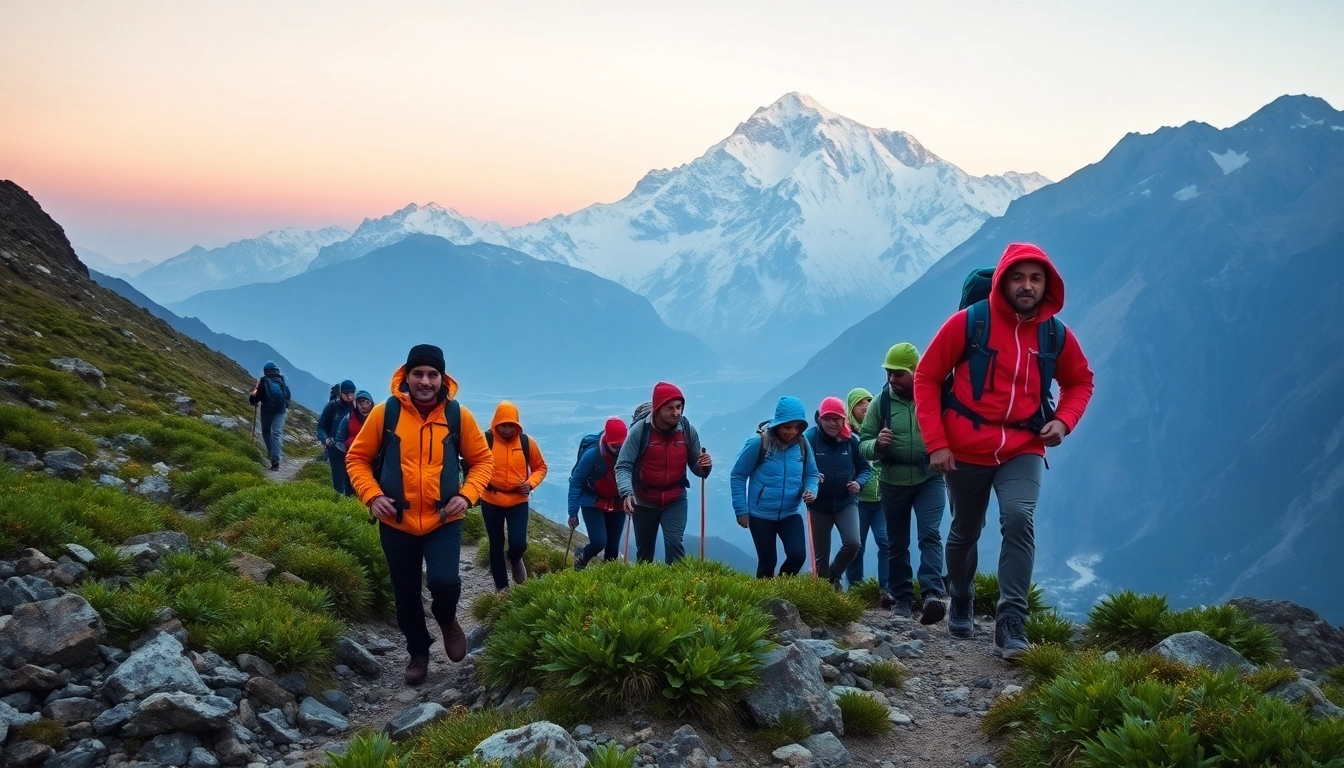
The mount Everest base camp trek is arguably one of the most iconic trekking adventures in the world. Situated in the heart of the Himalayas, this trek offers breathtaking views, cultural immersion, and a journey through one of the most stunning alpine environments on the planet. Aimed at both seasoned trekkers and those new to high-altitude hiking, the trek presents unique challenges while rewarding adventurers with unparalleled sights of towering peaks and deep valleys.
What to Expect on Your Trek
During the trek, participants can expect a diverse range of landscapes, from lush subtropical forests at lower elevations to stark, awe-inspiring vistas dominated by snowy peaks as they ascend. The trails are dotted with traditional Sherpa villages where trekkers can experience local hospitality and culture. Additionally, the variety of wildlife, including the elusive snow leopard and various bird species, enhances the trekking experience.
The Significance of Mount Everest Base Camp
Mount Everest Base Camp serves not only as the starting point for climbers aiming to summit the world's highest peak but also as a cultural and spiritual hub for trekkers. It symbolizes the human spirit's quest for adventure and exploration. Standing at an elevation of 5,364 meters (17,598 feet), the camp provides a tangible connection to the majestic Everest, fostering a sense of accomplishment and motivation among those who reach it.
Trekking Duration and Distance
The journey to Everest Base Camp typically spans 14 days, covering a distance of approximately 130 kilometers (about 80 miles). This includes essential acclimatization days in key locations such as Namche Bazaar and Dingboche, allowing trekkers to adapt to the altitude and reduce the risk of altitude sickness. The trek usually involves 5 to 8 hours of walking each day, making it essential for participants to prepare adequately.
Preparing for the Mount Everest Base Camp Trek
Essential Gear and Packing List
When it comes to preparation, the right gear can make a significant difference in your overall trekking experience. Essentials include a sturdy pair of trekking boots, layered clothing to adapt to fluctuating temperatures, a high-capacity water bottle or hydration system, and a reliable backpack. Additionally, trekking poles can provide stability on uneven terrain, while a quality sleeping bag rated for low temperatures is crucial for comfort during nights spent in teahouses.
Physical Training and Fitness Requirements
Physical fitness is paramount for successfully completing the Everest Base Camp trek. Prior to embarking on this adventure, it’s recommended to engage in a training regimen that includes cardiovascular exercises, strength training, and hiking practice. Trekkers should aim to walk for at least one hour, four to five times a week, on hilly terrains, simulating the conditions they will face during the trek. Proper training not only builds endurance but also aids in acclimatization.
Health and Safety Considerations
Safety is a top priority on the Everest Base Camp trek. It’s crucial to understand the risks associated with high-altitude trekking, such as altitude sickness. Trekking companies usually emphasize gradual elevation gain, allowing the body to adjust to the reduced oxygen levels. Additionally, carrying a personal first-aid kit and being aware of the signs of altitude sickness can significantly enhance safety during the trek.
Itinerary for the Mount Everest Base Camp Trek
Day-by-Day Breakdown of the Trek
Below is a brief breakdown of the 14-day itinerary for the Everest Base Camp trek:
- Day 1: Arrival in Kathmandu
- Day 2: Flight to Lukla, trek to Phakding
- Day 3: Trek to Namche Bazaar
- Day 4: Acclimatization day in Namche, hike to Hotel Everest View
- Day 5: Trek to Tengboche
- Day 6: Trek to Dingboche
- Day 7: Acclimatization day, hike to Nangkartsang Peak
- Day 8: Trek to Lobuche
- Day 9: Trek to Everest Base Camp and back to Gorak Shep
- Day 10: Hike to Kala Patthar, descend to Pheriche
- Day 11: Trek to Namche Bazaar
- Day 12: Trek to Lukla
- Day 13: Fly back to Kathmandu
- Day 14: Final departure from Kathmandu
Key Highlights and Scenic Viewpoints
The Everest Base Camp trek is filled with scenic viewpoints, each offering magnificent views of the surrounding peaks. Notable highlights include:
- Kala Patthar: Renowned for its panoramic views of Mount Everest, especially during sunrise.
- Tengboche Monastery: A spiritual landmark surrounded by stunning mountain backdrops.
- Namche Bazaar: The vibrant gateway to the Everest region with markets and cultural experiences.
- Lobuche and Gorak Shep: Last settlements before Everest Base Camp, providing breathtaking vistas.
Acclimatization Strategies
Acclimatization is vital for a successful trek. Spending additional days at strategic locations, like Namche Bazaar and Dingboche, allows the body to adjust to higher altitudes. It is advised to climb high and sleep low; for instance, during acclimatization days, trekkers may ascend Nangkartsang Peak and return to lower elevations for the night, fostering better acclimatization.
Cost and Inclusions of the Mount Everest Base Camp Trek
Detailed Breakdown of Trekking Costs
The total cost of the Everest Base Camp trek varies based on services and options selected. On average, the pricing for a standard trek can range from $1,650 to $3,000 per person, including accommodation, meals, guide services, and permits. Luxury options may exceed these figures, offering premium services and extras.
What’s Included in Your Trek Package?
A comprehensive Everest Base Camp trek package typically includes the following:
- Accommodation in Kathmandu and teahouses along the trek
- Trekking and entry permits
- Domestic flights from Kathmandu to Lukla
- Meals during the trek (breakfast, lunch, and dinner)
- Experienced trekking guide and support staff
- Porter service (one porter for every two trekkers)
- First aid kit and safety equipment
Budgeting for Additional Expenses
While the main costs are covered in your trek package, it’s wise to budget for additional expenses. This may include:
- Snacks, drinks, and meals in Kathmandu
- Souvenirs and personal items
- Tips for guides and porters
- Hot showers and charging electronic devices during the trek
- Emergency expenses, including insurance deductibles
Frequently Asked Questions about the Mount Everest Base Camp Trek
Can Beginners Successfully Complete the Trek?
Yes, beginners can complete the Everest Base Camp trek with adequate preparation. While it requires a reasonable level of fitness and determination, the trek is achievable for those who participate in training and maintain a positive mindset. Group support and experienced guides play crucial roles in ensuring the safety and success of all trekkers, regardless of their prior experience.
How to Obtain Necessary Permits for the Trek
Permits for the Everest Base Camp trek include the Trekking Information Management System (TIMS) permit, the Sagarmatha National Park permit, and the Khumbu Pasang Lhamu municipality entrance card. Most trekking companies handle these permits as part of their service, ensuring that all necessary documentation is in order before the trek begins.
Best Time of Year to Undertake the Trek
The ideal times for trekking to Everest Base Camp are spring (March to May) and autumn (September to November). These seasons generally offer stable weather conditions, clearer skies, and milder temperatures, making for an enjoyable trekking experience. Winter trekking is possible but can be harsh, while the monsoon season (June to August) is often characterized by heavy rain and occasional landslides, which may disrupt trails.