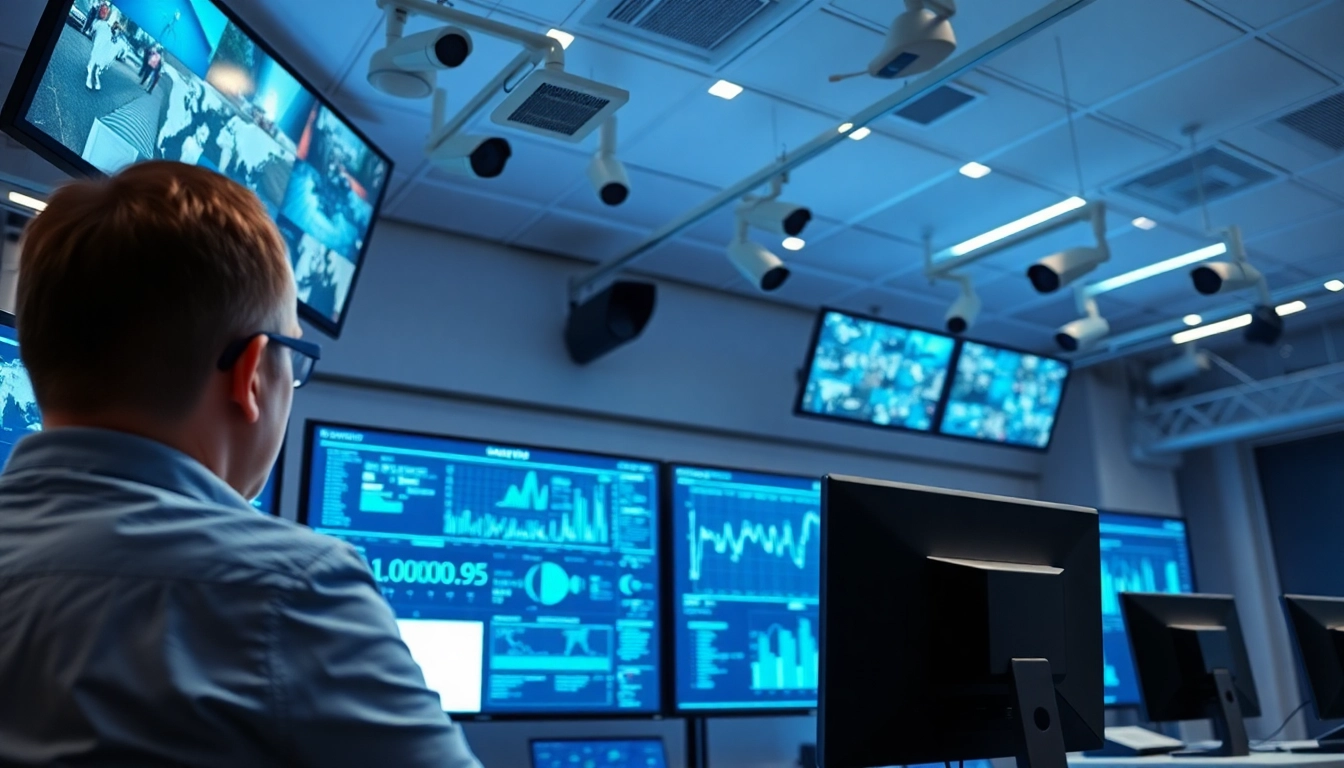
What is CCTV Analytics?
Defining CCTV Analytics
CCTV analytics refers to the advanced techniques used to analyze video footage captured by surveillance cameras. This technology leverages sophisticated algorithms and artificial intelligence to extract meaningful data from video feeds. By identifying patterns, behaviors, and anomalies, CCTV analytics transforms mere video footage into actionable insights, enhancing the overall effectiveness of security systems. For further reading, refer to What is CCTV analytics.
Importance in Modern Surveillance
In today’s world, where security concerns are paramount, CCTV analytics plays a crucial role in surveillance strategies. Traditional monitoring methods often lead to information overload, as vast amounts of footage need human eyes to scrutinize them. CCTV analytics alleviates this burden by providing automated features, such as motion detection, facial recognition, and license plate recognition. These innovations allow security personnel to focus on critical incidents, rather than sifting through hours of recorded data.
How it Enhances Security Measures
The enhancement of security measures through CCTV analytics is multi-faceted. It not only detects unauthorized access but also analyzes human behavior patterns. For example, it can alert operators when someone lingers suspiciously in a restricted area, thereby allowing for timely interventions. Furthermore, integrating analytics into existing CCTV systems maximizes investment by providing users with advanced capabilities without requiring complete system overhauls.
Key Components of CCTV Analytics
Data Collection Techniques
Data collection in CCTV analytics is executed through various methods, most notably through the recording of video footage, which is then processed by analytics software. Compression algorithms help in managing storage while retaining quality for analysis. Additionally, edge computing devices can preprocess data at the camera level, reducing latency and bandwidth usage by sending only relevant information to centralized systems.
Video Processing Technologies
Video processing technologies form the backbone of CCTV analytics. These typically include advanced image processing techniques such as object detection and classification, which enable systems to recognize specific people, objects, or vehicles. Machine learning algorithms further enhance these capabilities by continuously learning from the data and improving accuracy over time. The integration of deep learning frameworks also allows for more nuanced understanding, such as the differentiation between normal and suspicious behavior.
Integration with Other Security Systems
Integrating CCTV analytics with other security systems can create a more comprehensive security solution. For instance, emergency response systems benefit from immediate alerts generated by analytics, enabling faster and more accurate responses. Additionally, integrating access control systems with CCTV can help verify identities and track movements in physical spaces, establishing a seamless security protocol that enhances safety.
How CCTV Analytics Works
Image Recognition and Object Detection
CCTV analytics employs image recognition and object detection to identify and track people, vehicles, and objects within the surveillance footage. By employing deep learning models trained on large datasets, the system can recognize faces, license plates, and even differentiate between benign and suspicious activities. This capability is vital for enhancing security and ensuring rapid responses in critical situations.
Behavioral Analysis Algorithms
Behavioral analysis algorithms assess video footage for unusual patterns that may indicate potential security threats. For example, the system can identify individuals who exhibit erratic behavior, such as loitering or trespassing. By establishing a baseline of normal interactions within a monitored environment, the system can flag deviations, providing security personnel with immediate alerts to investigate further.
Real-time Analytics and Reporting
Real-time analytics are a game changer for CCTV systems. With the ability to process footage instantaneously, security operators receive immediate alerts on any detected anomalies. This real-time capability is essential in high-stakes environments like airports or public transport systems, where prompt decisions can prevent incidents before they escalate. Reporting features also allow for detailed analysis of events after they occur, enhancing post-incident management.
Benefits of Implementing CCTV Analytics
Improved Security Management
The overarching benefit of CCTV analytics is its substantial improvement in security management. By transforming overwhelming volumes of footage into digestible and actionable insights, organizations can proactively manage risks and respond appropriately to threats. Automated alerts allow for faster decision-making, limiting damage and enhancing overall safety.
Efficient Resource Allocation
CCTV analytics enables organizations to allocate resources more effectively. For instance, by analyzing historical data, security teams can identify high-risk periods and areas, adjusting patrols or monitoring efforts accordingly. This strategic allocation not only enhances security but also optimizes operational costs by ensuring that resources are deployed where they are most needed.
Cost-Effectiveness Over Time
While the initial investment in CCTV analytics may seem substantial, the long-term cost-effectiveness cannot be overstated. By automating many monitoring tasks and reducing false alarms, organizations can save on labor costs and minimize losses due to theft or vandalism. Additionally, the ability to analyze trends and patterns can guide investment in future security measures, making the entire system more efficient over time.
Challenges and Future of CCTV Analytics
Privacy Concerns and Legal Regulations
The rise of CCTV analytics has undeniably raised privacy concerns. As organizations utilize technology to monitor behavior, individuals are increasingly wary of being surveilled. To navigate these challenges, it is crucial for organizations to adhere to legal regulations governing surveillance and data protection. Implementing policies that ensure transparency and ethical use of data is essential in maintaining public trust.
Technological Limitations in Current Systems
Despite the advancements in CCTV analytics, technological limitations still exist. Many systems struggle with accuracy in highly dynamic environments, or can falter when identifying individuals in varying lighting conditions. Moreover, data management and storage remain critical hurdles, especially as the demand for higher resolution footage increases. Ongoing advancements in processing power and algorithm development will be key to overcoming these limitations.
Future Trends in Surveillance Technologies
The future of CCTV analytics will undoubtedly see enhanced integration with artificial intelligence and machine learning. As these technologies advance, we can expect more sophisticated capabilities, including predictive analytics that anticipate security threats before they arise. Additionally, the trend toward networked and cloud-based systems will enable real-time data sharing across organizations, fostering collaborative security efforts and broader situational awareness.
FAQs
What is the main function of CCTV analytics?
Its primary function is to analyze video footage to extract actionable insights. This includes identifying suspicious behavior, detecting intrusions, and automating alerts for security personnel.
How does CCTV analytics differ from traditional CCTV?
While traditional CCTV merely records footage, CCTV analytics utilizes AI and algorithms to process this footage in real-time, providing actionable insights instead of just passive monitoring.
Can CCTV analytics violate privacy rights?
Yes, there are concerns about privacy violations. Organizations must adhere to relevant laws and regulations ensuring transparency and ethical surveillance practices to safeguard individual rights.
What industries benefit most from CCTV analytics?
Industries such as retail, transportation, banking, and public safety benefit significantly, as they require efficient and proactive security measures to mitigate risks and enhance safety.
Is CCTV analytics cost-effective?
Yes, although initial investments may be high, the long-term savings from reduced theft, streamlined operations, and lower labor costs make CCTV analytics a cost-effective solution.