
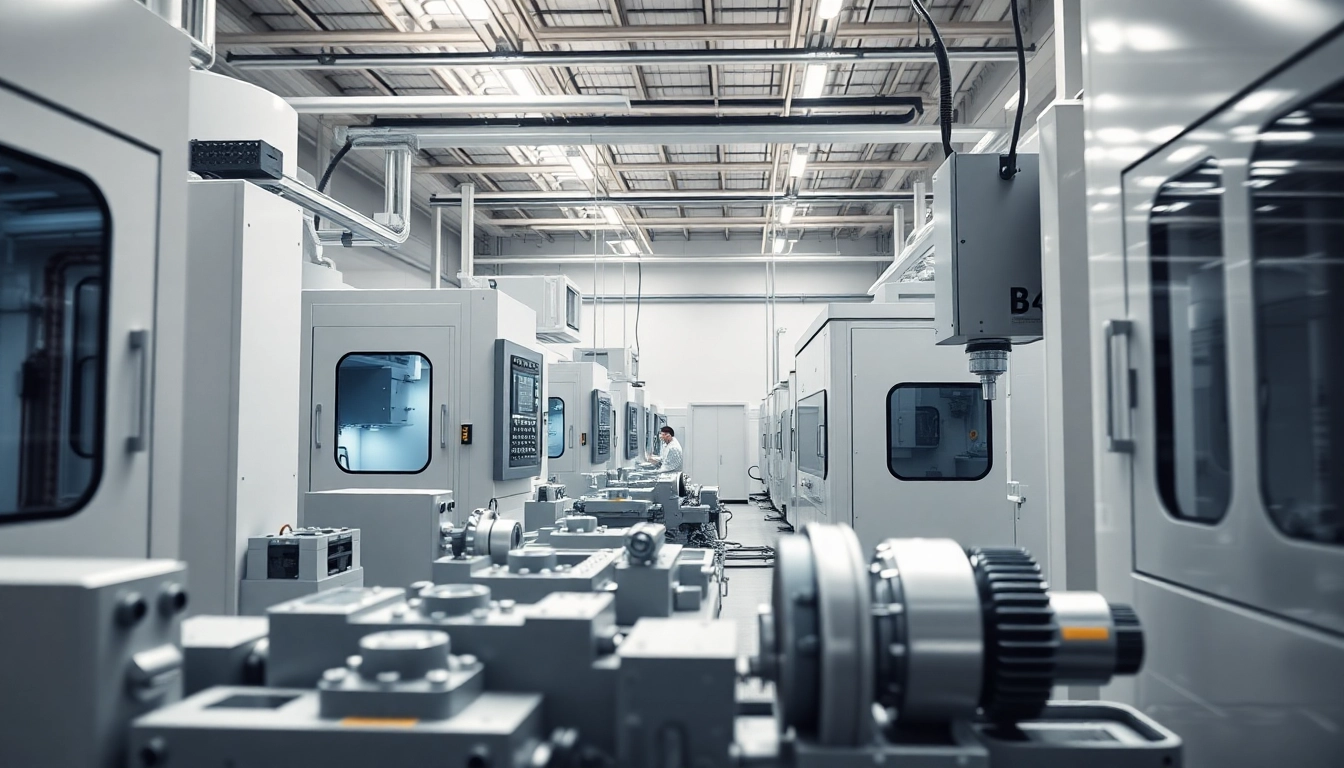
The Fundamentals of Precision Machining in Malaysia
Precision machining is a critical component of modern manufacturing, particularly in Malaysia, where it supports various industries through advanced engineering and production techniques. This segment of the market is gaining momentum as businesses look for ways to enhance quality, reduce waste, and improve efficiency. Precision machining malaysia offers a unique blend of technology and skill, enabling manufacturers to create components with remarkable accuracy and consistency.
What is Precision Machining?
Precision machining refers to the processes utilized to create parts and components that meet stringent specifications with minimal tolerances. Using sophisticated machinery such as CNC (Computer Numerical Control) machines, manufacturers can produce high-quality products for various applications. This process involves cutting, shaping, and finishing raw materials to meet precise dimensions and surface finish requirements, essential in industries such as aerospace, automotive, and healthcare.
The Evolution of Machining Technologies
The journey of precision machining has evolved from manual tools to highly complex automated systems. Initially, machining was largely manual, requiring skilled artisans to work meticulously on each component. However, with the advent of CNC technology in the late 20th century, processes transitioned to automated systems capable of producing hundreds of identical parts with extreme accuracy and speed. Nowadays, the integration of IoT (Internet of Things) and AI (Artificial Intelligence) is further optimizing machining processes, allowing for real-time monitoring and adjustments.
Core Principles of Precision Machining
- Tolerance Control: Maintaining tight tolerances is pivotal, as even minute deviations can lead to significant issues in assembled products.
- Material Selection: Different materials behave differently under machining conditions, and selecting the right material is critical for achieving desired outcomes.
- Process Optimization: Implementing lean manufacturing principles can significantly enhance efficiency and reduce waste in machining processes.
Key Applications of Precision Machining in Various Industries
Precision machining plays an essential role in several industries, serving as the backbone for innovation and quality assurance. Understanding its applications helps manufacturers cater to the specific needs of diverse markets.
Aerospace Industry Applications
In the aerospace sector, precision machining is vital for producing parts such as turbine blades, landing gear components, and structural frameworks. These components must adhere to strict safety standards and performance metrics due to their critical nature. Advanced machining technologies, such as 5-axis CNC machining, are commonly employed to achieve the complex geometries required in aerospace components.
Medical Device Manufacturing
The medical industry demands exceptional precision, particularly in the production of devices such as surgical instruments, implants, and diagnostic equipment. Machined components must not only meet stringent regulatory standards but also ensure patient safety and device reliability. The integration of precision machining into medical manufacturing allows for rapid prototyping and customization to meet specific health needs.
Automotive Component Production
Automotive manufacturing relies heavily on precision machining for producing engine parts, transmission components, and chassis elements. The drive for higher efficiency and lower emissions in modern vehicles mandates the use of refined, high-precision components. Manufacturers leverage state-of-the-art machining technologies to expedite production while maintaining quality.
Challenges in the Precision Machining Sector
While precision machining offers numerous advantages, it also faces several challenges that industry players must navigate to maintain competitiveness and innovation.
Common Misconceptions about Precision Machining
One prevalent misconception is that precision machining is only relevant for large-scale production. In reality, it serves both low-volume and high-volume manufacturing needs, accommodating a wide array of industries. Additionally, the perception that precision machining is prohibitively expensive can deter potential adopters, whereas the long-term savings from high-quality production can outweigh initial costs.
Addressing Skill Shortages in Engineering
The precision machining industry is currently grappling with a skilled labor shortage. As technologies evolve, newer skill sets are required, yet there is a gap in the workforce capable of meeting these needs. Manufacturing companies must invest in training and development programs to cultivate talent and address this issue proactively.
Technology Adaptation and Equipment Costs
Investing in advanced machining equipment can be a daunting financial commitment for many manufacturers. However, the inability to adapt to the latest technologies can lead to diminished competitiveness. Businesses must assess their long-term goals and consider the cost-benefit analysis of adopting newer technologies versus maintaining older machinery.
Best Practices for Enhancing Precision Machining Processes
To navigate the complexities of precision machining effectively, manufacturers should adhere to certain best practices that help enhance their operational efficiency and product quality.
Implementing Lean Manufacturing Principles
Adopting lean manufacturing principles can minimize waste and enhance efficiency in machining processes. Techniques such as value stream mapping can identify bottlenecks and opportunities for improvement, leading to smoother operations and reduced cycle times.
Quality Control Techniques for Precision Machining
Quality control is paramount in precision machining. Utilizing statistical process control (SPC), manufacturers can continuously monitor production performance and minimize defects. Implementing rigorous inspection processes, including dimensional checks and surface finish evaluations, ensures that each component meets established standards.
Investing in Advanced Machinery and Tools
Investing in state-of-the-art machinery and tools is crucial for maintaining a competitive edge. Technologies such as hybrid machining systems, which combine additive and subtractive processes, can enhance production capabilities and open new avenues for innovation.
The Future of Precision Machining in Malaysia: Trends for 2025 and Beyond
The future of precision machining in Malaysia is influenced by technological advancements and changing market dynamics. As we look toward 2025, several trends are expected to shape the industry landscape.
Emerging Technologies in Precision Machining
Automation and robotics are set to revolutionize the precision machining sector, allowing for increased productivity and consistency. Technologies such as autonomous CNC machines and AI-driven analytics will enable manufacturers to optimize their production processes and reduce downtime.
Sustainability Practices in Manufacturing
As environmental concerns become more pronounced, precision machining is also embracing sustainability. Techniques such as sustainable sourcing of materials, waste reduction strategies, and energy-efficient manufacturing processes will be pivotal in meeting regulatory demands and consumer expectations.
Global Market Trends Impacting Precision Machining
Global market trends, including shifts in supply chain dynamics and international trade agreements, will significantly impact the precision machining landscape. Manufacturers must remain agile and responsive to these changes to capitalize on new opportunities and mitigate risks.