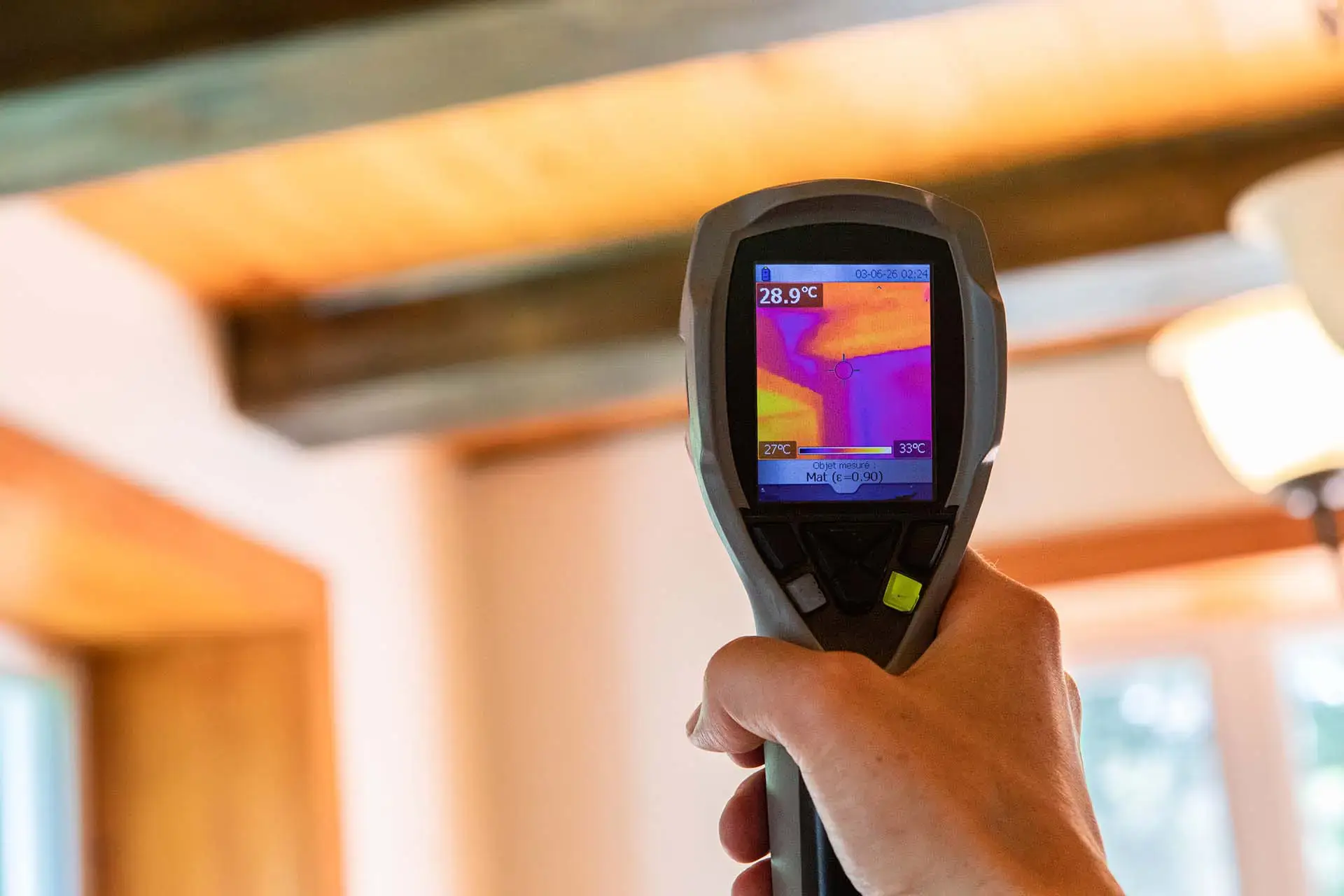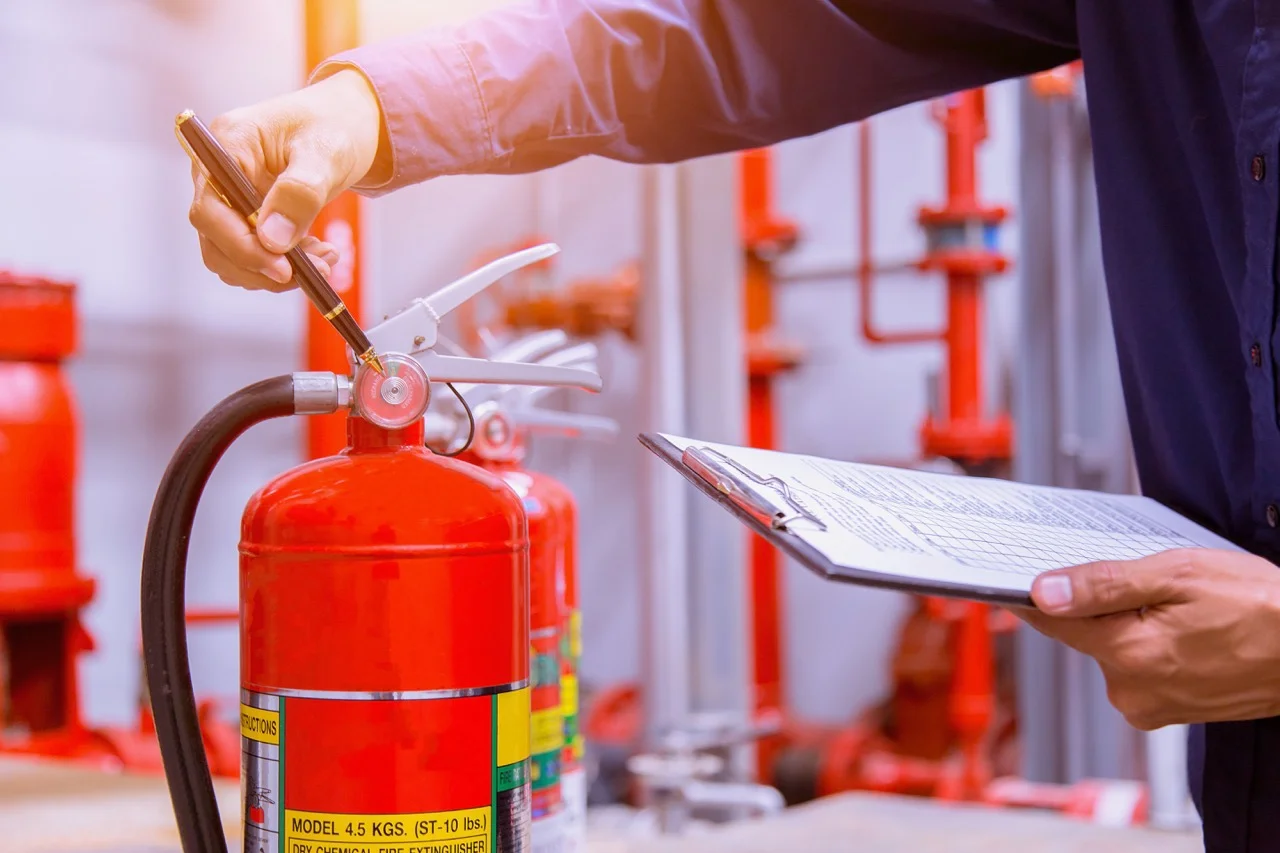
Ensuring workplace safety is a critical responsibility for any business owner or facility manager. One of the most vital aspects of workplace safety is fire prevention and management, which begins with a thorough commercial fire risk assessment. Conducting a commercial fire risk assessment helps identify potential fire hazards, evaluate risks to employees and property, and implement strategies to mitigate those risks. This process is not just a regulatory requirement but a proactive approach to protecting human life and business assets. Commercial fire risk assessment involves examining electrical systems, storage procedures, emergency exits, and fire detection systems. Businesses across industries, from manufacturing facilities to offices, benefit from a commercial fire risk assessment, ensuring they comply with legal standards and industry best practices. Additionally, commercial fire risk assessment contributes to reducing insurance premiums, enhancing emergency preparedness, and fostering a culture of safety.
Understanding the Importance of Commercial Fire Risk Assessment
What Is a Commercial Fire Risk Assessment?
A commercial fire risk assessment is a systematic evaluation of a workplace to identify potential fire hazards and assess the risk they pose. It involves analyzing the likelihood of a fire occurring and the severity of its potential consequences. Conducting a commercial fire risk assessment ensures that appropriate fire safety measures, such as alarms, extinguishers, and evacuation plans, are in place to protect employees and property. The assessment typically includes reviewing building layouts, electrical installations, storage practices, and the presence of flammable materials.
Legal Requirements and Compliance
Commercial fire risk assessment is not merely a recommended safety practice; it is often a legal obligation. Regulatory bodies, such as the Health and Safety Executive (HSE) in the UK, require employers to conduct a commercial fire risk assessment to comply with fire safety laws. Failure to implement a proper commercial fire risk assessment can result in legal penalties, fines, and liability in case of fire-related incidents. By adhering to regulations, businesses demonstrate due diligence and commitment to workplace safety.
Key Components of a Commercial Fire Risk Assessment
Identifying Fire Hazards
The first step in a commercial fire risk assessment is to identify potential fire hazards within the workplace. Common hazards include faulty electrical wiring, overheating machinery, improper storage of flammable substances, and combustible waste. Employees should also be considered a potential risk factor if they are not trained in fire safety procedures. Identifying these hazards is crucial in developing effective prevention strategies.
Evaluating Risks and Vulnerabilities
Once hazards are identified, the next step in a commercial fire risk assessment is evaluating the risks they pose. This involves assessing how likely a fire is to occur, the potential spread of the fire, and the level of danger to employees, visitors, and property. Businesses must also consider vulnerabilities such as poorly maintained equipment, blocked fire exits, and inadequate fire safety training. Proper risk evaluation informs the prioritization of corrective measures.
Implementing Fire Safety Measures
A commercial fire risk assessment should lead to actionable recommendations for improving fire safety. This may include installing or upgrading fire alarms, implementing fire suppression systems, ensuring clear evacuation routes, and providing fire safety training for employees. Regular maintenance of fire equipment and periodic review of safety procedures are essential to maintaining a high level of protection.
Documentation and Record-Keeping
Thorough documentation is an integral part of a commercial fire risk assessment. Records should include identified hazards, risk evaluation findings, safety measures implemented, and employee training activities. Proper documentation not only helps demonstrate compliance with regulations but also serves as a reference for future assessments and audits.
Related Entities and Industry Standards
Fire Safety Equipment Suppliers
Collaborating with fire safety equipment suppliers is essential for effective commercial fire risk assessment. Suppliers provide fire extinguishers, smoke detectors, emergency lighting, and other equipment required to maintain workplace safety.
Fire Safety Consultants
Engaging fire safety consultants can enhance the quality of a commercial fire risk assessment. These experts provide professional guidance on hazard identification, risk evaluation, and compliance with industry standards.
Insurance Providers
Insurance companies often require evidence of a commercial fire risk assessment before issuing policies. Conducting a thorough assessment can result in lower premiums and ensure that the business is adequately covered in the event of a fire.
Subtopics in Commercial Fire Risk Assessment
Fire Drills and Employee Training
Regular fire drills and employee training are essential components of commercial fire risk assessment. Employees should know how to respond during a fire, operate fire extinguishers, and evacuate safely.
Fire Risk in Different Industries
Different industries face unique fire risks. For example, manufacturing facilities may have higher risks due to flammable chemicals, while offices may be more susceptible to electrical fires. Tailoring commercial fire risk assessment to industry-specific risks ensures more effective prevention.
Regular Review and Update
A commercial fire risk assessment is not a one-time activity. Regular reviews and updates are necessary to account for changes in the workplace, new equipment, or revised regulations. This ongoing process ensures continuous safety and compliance.
FAQs About Commercial Fire Risk Assessment
1. How often should a commercial fire risk assessment be conducted?
A commercial fire risk assessment should be reviewed at least annually or whenever significant changes occur in the workplace, such as renovations, equipment upgrades, or new employees.
2. Who can perform a commercial fire risk assessment?
While internal staff can perform a basic assessment, hiring a certified fire safety consultant is recommended for a comprehensive and legally compliant commercial fire risk assessment.
3. What are the main benefits of commercial fire risk assessment?
Benefits include improved workplace safety, regulatory compliance, reduced insurance costs, and enhanced preparedness for fire emergencies.
4. Does commercial fire risk assessment cover electrical safety?
Yes, evaluating electrical systems and potential fire hazards from faulty wiring is a critical part of commercial fire risk assessment.
5. Can commercial fire risk assessment prevent all fires?
While it cannot eliminate all fire risks, a commercial fire risk assessment significantly reduces the likelihood of fire incidents and mitigates their potential impact.
Conclusion
A commercial fire risk assessment is an essential tool for protecting workplaces, employees, and business assets from fire hazards. By identifying risks, implementing safety measures, and complying with legal requirements, businesses can ensure a safer environment. Regular updates, proper documentation, and employee training are critical to maintaining fire safety standards. Engaging with fire safety experts, equipment suppliers, and insurance providers further strengthens the effectiveness of a commercial fire risk assessment. Ultimately, investing in commercial fire risk assessment demonstrates a commitment to workplace safety, regulatory compliance, and long-term business protection.