Understanding Water Leak Detection
Water leaks can be a homeowner's worst nightmare, leading to substantial damage and costly repairs. Timely leak detection is crucial, as it not only saves money but also prevents potential health hazards, such as mold growth. With advancements in technology, the methods employed for water leak detection have evolved significantly. In this article, we will explore everything from basic leak identification to advanced detection techniques that professionals use, including insights from experts in water leak detection.
What is Water Leak Detection?
Water leak detection refers to the process of identifying and locating unwanted water infiltration within a property. This infiltration can originate from various sources, including plumbing systems, roofs, or walls. Detecting these leaks early on is critical as it allows homeowners to address the issues before they escalate into more severe problems, ultimately preserving the integrity of the home.
Common Signs of Water Leaks
Being vigilant for signs of water leaks can significantly reduce the damage and cost associated with repairs. Common indicators include:
- Unexplained Water Bills: A sudden spike in your water bill may indicate a hidden leak.
- Damp or Wet Spots: Noticeable wet areas on walls, floors, or ceilings are often signs of leaks.
- Mold Growth: Mold thrives in damp environments, so its presence can suggest ongoing moisture issues.
- Sound of Running Water: The constant sound of running water when appliances aren't in use can indicate a leak.
- Water Meter Tests: By checking your water meter when no water is being used, you can determine if water is still flowing, signaling a leak.
The Importance of Timely Detection
Detecting water leaks promptly can save homeowners thousands of dollars in repair costs. Delayed detection can lead to significant structural damage, health issues from mold, and increased water bills. Moreover, addressing leaks quickly can help maintain a home’s value and avoid extensive renovations down the line, making a solid case for investing in professional leak detection services.
Advanced Techniques in Water Leak Detection
Due to the complexity and variety of possible leak scenarios, professionals utilize advanced technologies to ensure accurate detection. Here are some of the leading methods employed in modern leak detection.
Pressure Testing: An Effective Method
Pressure testing is often the first step in leak detection for many plumbing systems. By isolating sections of pipework and monitoring pressure changes, technicians can pinpoint potential leaks. This method is particularly effective for closed systems, such as those found in heating and cooling systems.
Thermal Imaging: Visualizing Hidden Issues
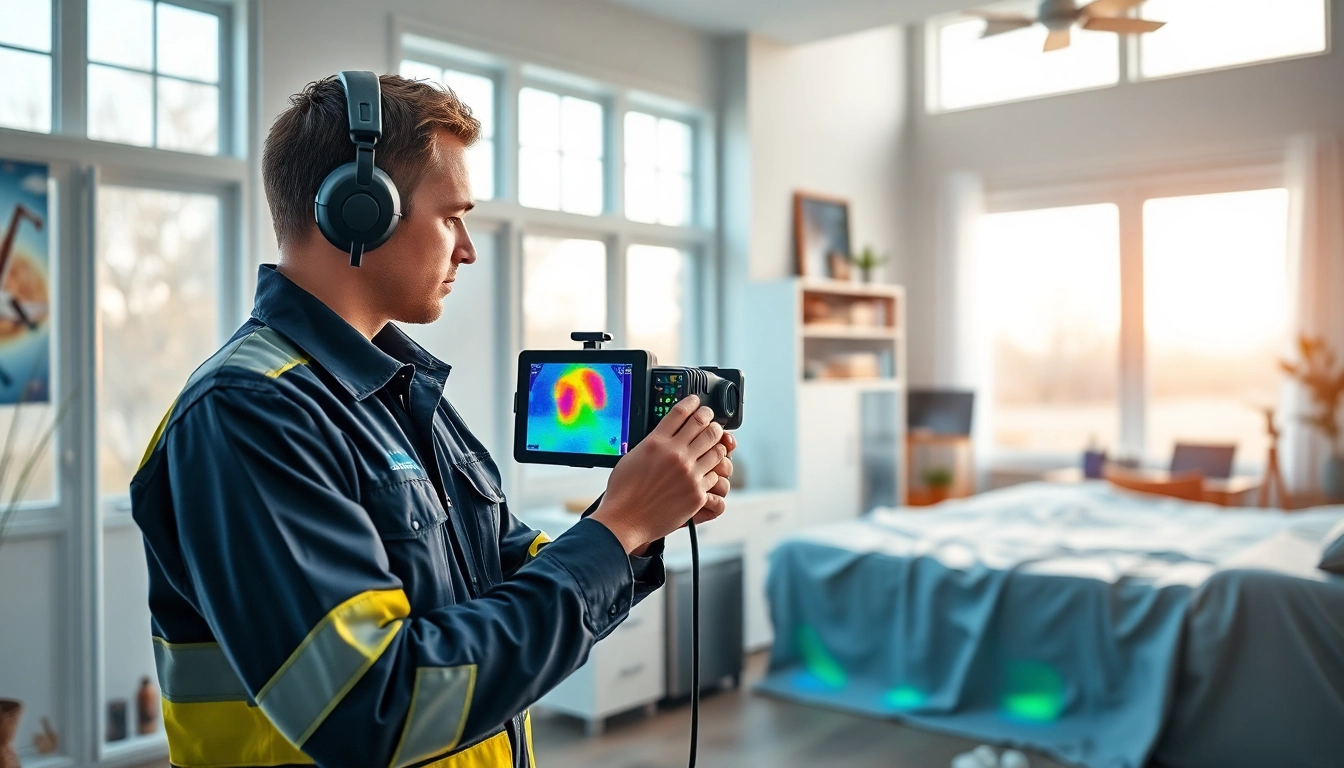
Thermal imaging cameras are invaluable tools for leak detection, as they can visualize temperature differences caused by water leaks. By scanning walls, ceilings, and floors, these cameras can reveal cold spots indicating moisture presence, which may be invisible to the naked eye. This technology is not only efficient but also non-invasive, minimizing damage during investigations.
Acoustic Listening Devices: Sounding Out Leaks
Acoustic devices are designed to amplify sounds associated with water escaping from pipes. These tools can detect subtle sounds of leaking water, even when pipes are buried underground or hidden within walls. Technicians trained in using acoustic devices can determine the precise location of a leak based on the sounds they detect.
Choosing the Right Leak Detection Service
When faced with water leak issues, selecting the right service provider is crucial for effective results. There are key factors to consider:
Key Factors to Consider When Hiring
- Experience and Expertise: Look for companies with a proven track record in water leak detection. Experience often translates to more effective service.
- Technology and Equipment: Ensure the service provider uses advanced technology, which can make leak detection faster and non-invasive.
- Insurance and Licensing: Verify that the company is properly licensed and insured, protecting you and your property during the service.
- Customer Reviews: Research customer testimonials to gauge the service quality and satisfaction of previous clients.
Understanding Service Guarantees and No Find, No Fee Policies
Many leak detection companies offer guarantees for their services. Understanding these guarantees, especially the "No Find, No Fee" policy, is crucial. This policy means that if no leak is found, you won't incur a charge. This customer-friendly approach offers peace of mind, particularly during stressful situations.
Customer Reviews and Testimonials
Customer feedback can provide invaluable insight into the reliability and effectiveness of a leak detection service. Prospective clients should read reviews to confirm satisfaction levels and success rates. Positive testimonials can also suggest that a company employs effective techniques and skilled personnel.
DIY Water Leak Detection Tips
While hiring professionals is often necessary, homeowners can benefit from understanding basic water leak detection techniques. Here are some DIY tips that can help you identify issues before they escalate.
Basic Tools for Quick Diagnosis
Investing in a few basic tools can help homeowners conduct preliminary leak checks:
- Moisture Meter: These devices can measure moisture levels in walls and ceilings.
- Flashlight: A powerful flashlight can help you inspect dark areas for the signs of water damage.
- Sponges or Rags: Keeping these handy will allow for quick clean-up and further examination of wet spots.
Step-by-Step Guide to Locating Leaks
To locate a suspected leak, follow these steps:
- Turn off all your water sources, including appliances, faucets, and irrigation systems.
- Check your water meter for any movement. If it’s still running, you likely have a leak.
- Inspect exposed pipes and fixtures for signs of moisture or damage.
- If you suspect a hidden leak, consider using a moisture meter for further investigation.
Preventative Measures to Implement
Preventing leaks before they happen can save you significant time and resources. Consider implementing the following measures:
- Regular Inspections: Schedule routine inspections of your plumbing and infrastructure, particularly in older homes.
- Maintain Proper Drainage: Ensure that gutters and downspouts are directing water away from your home's foundation.
- Temperature Control: In colder climates, insulate pipes to prevent freezing and subsequent breaking.
Future Trends in Water Leak Detection
The future of water leak detection is promising, with technological advancements continuously improving the efficiency and effectiveness of leak identification methods.
The Role of Smart Technology in Leak Prevention
Smart home technology is transforming the water leak detection landscape. Devices that connect to your home's Wi-Fi can alert homeowners to leaks in real-time, allowing for quicker response times. These smart detectors can even shut off water supply automatically to prevent further damage.
Predictive Analytics for Leak Management
Leveraging big data and predictive analytics, companies are now developing systems that can predict potential leaks before they occur. By analyzing historical data and usage patterns, these systems can notify homeowners of unusual activity, effectively preventing water damage.
Emerging Equipment and Techniques for 2025
As technology evolves, so does the equipment used in leak detection. Innovations expected in 2025 include more sophisticated acoustic devices with enhanced sensitivity and AI-driven analytics that provide predictive insights for leak management. These tools will likely make leak detection faster, more accurate, and less disruptive than ever before.